From cryptocurrencies to modular homes: with LIAA support Power Mining developing operations in unexpected direction
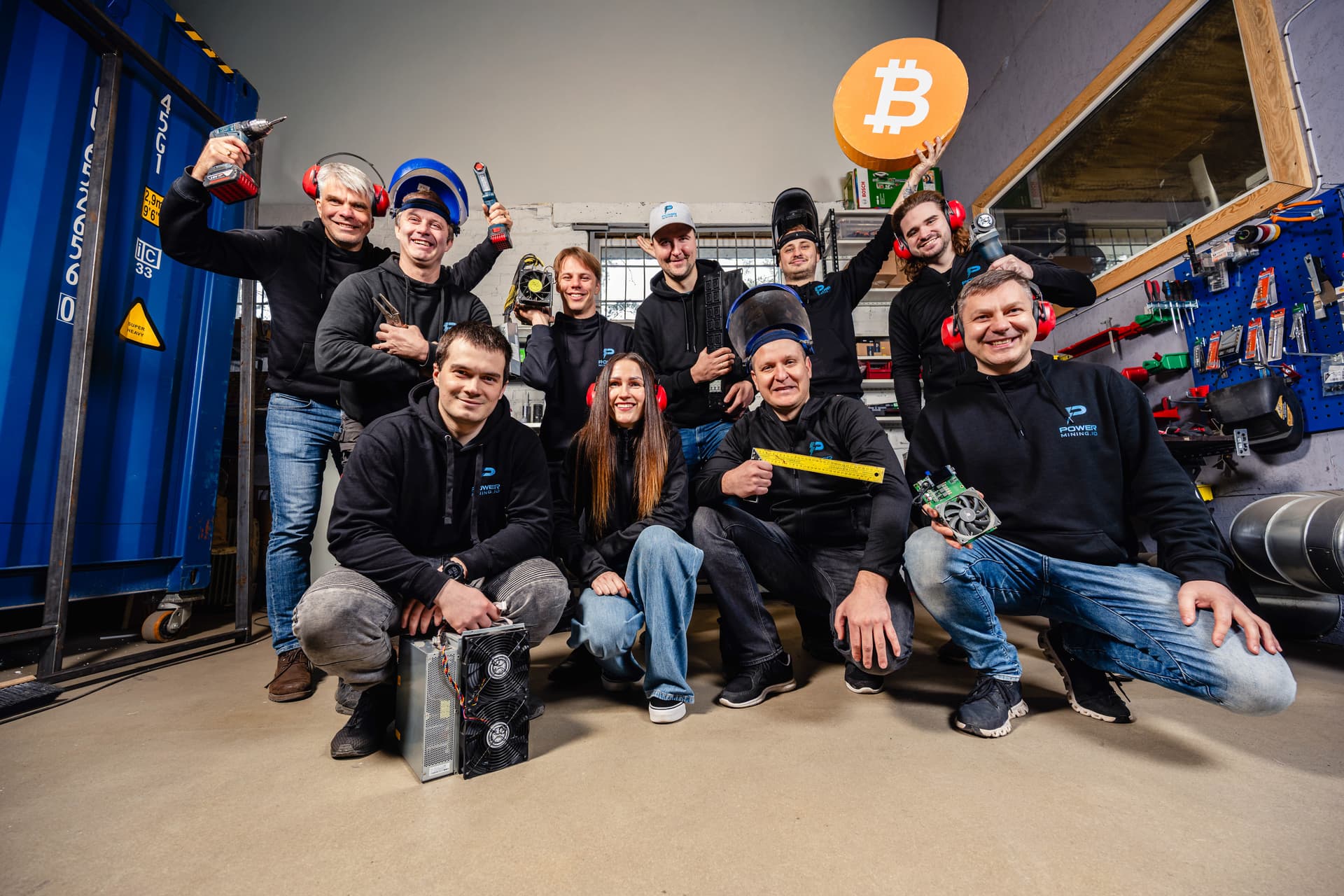
Since 2017, Latvian company Power Mining has been manufacturing specialised data centres for Bitcoin mining equipment and exporting them to customers in Europe, Africa, and North America. At the same time, the company has also developed small-scale Bitcoin mining devices for use at home for the consumer segment, which have become the main driver of growth in recent years. Along with this, the company is currently taking a step in a completely different direction: it is developing a prototype for a top-premium segment mirrored glass modular home for export; the industrial design was created with the support of an innovation voucher from the Investment and Development Agency of Latvia (LIAA).
Company CEO Kristaps Mors notes that, in his view, the bureaucratic burden associated with using support instruments remains relatively high, which is why it is important for the company to have a specific person handling this process. Kristiāna Cirša is responsible for cooperation with the LIAA and the use of support instruments at the company; this was her first project of this kind.
“This was our first project in cooperation with the LIAA, and at first, the biggest hurdle was understanding how to fill out everything correctly on the portal and what information needed to be submitted. At first, it seemed complicated, but we figured out the principle pretty quickly—the main thing is to submit the information, and then, if something isn’t quite right, help comes very quickly,” Ms Cirša says.
She emphasises that the most significant benefit was the attitude of LIAA specialists in their daily communication. “I really want to praise the staff’s support—how patiently and empathetically they worked with us. If something needed to be corrected, we received clear feedback, made the corrections, and resubmitted it. That gave us confidence for future projects as well,” she says.
Following its first experience with the innovation voucher project, the company also utilised other LIAA instruments, including support for participation in international exhibitions and tax incentive programmes for business development. “We weren’t afraid of the next project, as we knew everything would be fine: we just had to provide the information as we understood it, and then we could work together to adapt it to the guidelines,” Ms Cirša adds.
Information material prepared with the support of the European Regional Development Fund