Latvian brand Gamepatch building visibility with the help of state support instruments
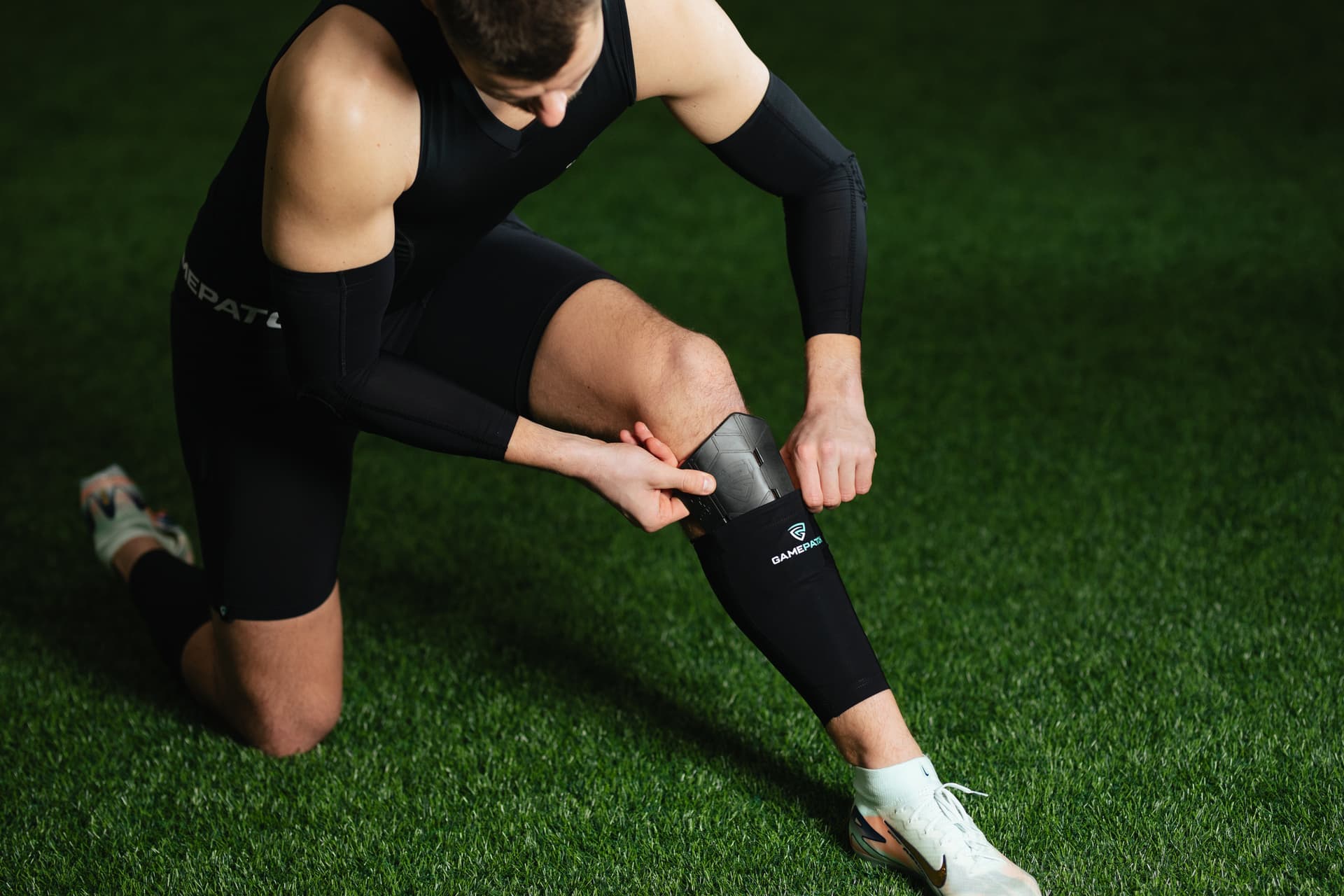
Under its brand name Gamepatch, Latvian company BP Sports is developing and manufacturing innovative protective sports equipment and functional clothing for team sports. The company’s products incorporate innovative shock-absorbing protective material that adapts to the athlete’s body while providing a high level of protection. In less than four years, the company has achieved an annual turnover of approximately EUR 630,000, with exports accounting for around 90% of its revenue, mainly to European countries, as well as to the United States, Australia, and Asian markets.
Participation in the Business Incubation Programme set up by the Investment and Development Agency of Latvia (LIAA) in Kuldīga has played a significant role in the company’s development. “We have actively taken advantage of the opportunities offered by the incubation programme both for product development and marketing, as well as for the purchase of raw materials,” says Andis Blinds, co-founder of BP Sports. He emphasises that the support has allowed them to invest more purposefully in advertising campaigns, participation in exhibitions, collaborations with influencers, and new product development. “All of this has helped us a lot—without this support, growth would definitely have been slower,” he adds.
Andis particularly highlights the attitude of the LIAA team in Kuldīga. “On a human level, I have nothing to complain about—we have always been able to call each other, discuss issues, and find solutions. The LIAA people who work on the business incubation programme are in the right place and really think about how to help entrepreneurs,” he says. According to him, it is precisely practical support and interest that helps new companies overcome the initial development phase.
At the same time, the entrepreneur acknowledges that there is always room for improvement at the systemic level, especially regarding bureaucratic processes. In his opinion, there are still things that could be made simpler and more entrepreneur-friendly: “There are situations where the same information must be provided twice—first when applying for a grant, then again in the report. Technically, this could be done much more simply.” He also points out that there is sometimes a lack of flexibility regarding deadlines. “Sometimes I would like to see a more human approach: if a document is submitted on the next working day rather than on the deadline, it does not change the essence of the project,” he says, adding that overall, cooperation is constructive, but that certain processes could be made more efficient and less formal.
Andis also mentions that the sports sector is often neglected in the planning of state support. “Sports are what most visibly represent Latvia in the world—both through the achievements of athletes and through products that are used internationally. It’s not just a matter of exports, but also of national recognition,” emphasises the entrepreneur.
“There aren’t many of us—there aren’t hundreds of manufacturing companies in the sports industry in Latvia. That’s why it would only be logical to support our participation in specialised international exhibitions, even if it’s just at a national joint stand together with other companies in the industry.” In his opinion, the sports industry can bring not only economic benefits to the country, but also long-term reputational value, which is why this sector deserves greater strategic attention in future.
Information material prepared with the support of the European Regional Development Fund