Northern Europe Energy Group, SEFE, and Baltic Sea Hydrogen Collector Consortium Join Forces to Develop Nordic-Baltic Hydrogen Ecosystem
Fotogrāfs: Rūdolfs Liepiņš
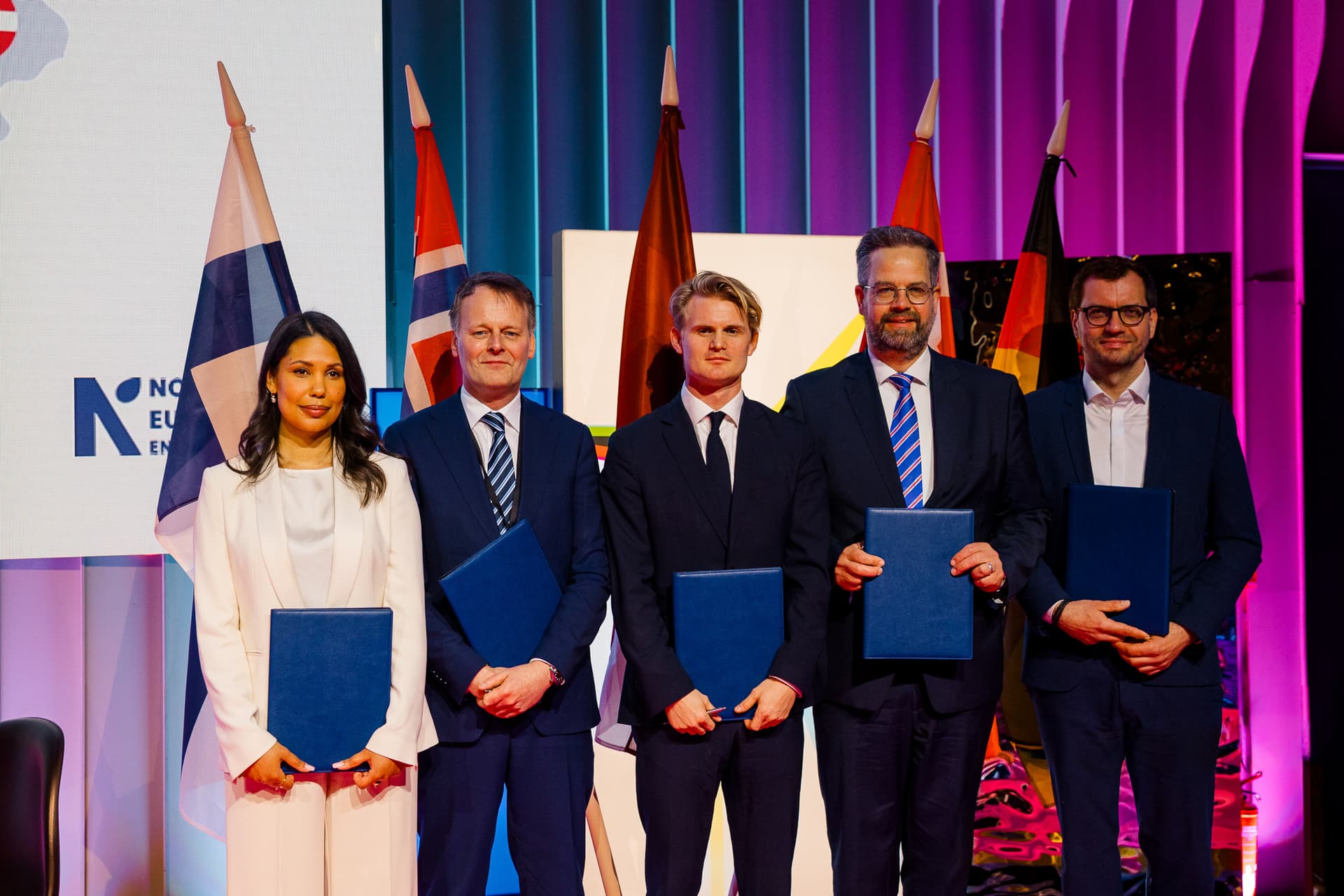
During the "WindWorks 2026" exhibition in Riga, Northern Europe Energy Group AS ("Northern Energy"), SEFE, and the Baltic Sea Hydrogen Collector (BHC) consortium signed a Memorandum of Understanding (MoU) to collaborate on the creation and exploration of an integrated hydrogen value chain connecting the Nordic-Baltic region with Germany.
The Baltic Sea Hydrogen Collector (BHC) is a cross-border project designed to ensure the supply of green hydrogen to Northern and Central Europe. The BHC consortium consists of Gasgrid Finland, GASCADE Gastransport, and Copenhagen Energy Islands (part of Copenhagen Infrastructure Partners).
This collaboration unites supply, infrastructure, and demand—the three critical elements required to scale hydrogen project development:
- Northern Energy drives the supply side by implementing production plans in Latvia and the broader Baltic Sea region.
- BHC provides the planned maritime transport corridor.
- SEFE facilitates the demand side, which is essential to converting regional supply potential into long-term delivery and transport requirements.
Strategic Foundation and Economic Impact
The strategic rationale is compelling. The Nordic-Baltic region combines abundant renewable energy resources and attractive industrial sites with direct access to key European demand centers. Northern Energy’s flagship project in Latvia, "CIS Liepaja," has the potential to produce approximately 100,000 tonnes of green hydrogen per year in its first phase, with a significant portion intended for export to Germany and other EU markets. Full implementation of the project could attract investments exceeding €1 billion, highlighting the scale of this opportunity for both Latvia and the entire region.
Furthermore, the development of a Nordic-Baltic hydrogen ecosystem will strengthen Europe’s energy resilience, diversify future clean energy supplies, provide Europe with affordable hydrogen, and promote greater energy self-sufficiency by reducing dependence on imported fossil fuels.
Infrastructure and Status
BHC adds the necessary infrastructure to transform this regional potential into a cross-border corridor. The project has been granted PCI (Project of Common Interest) status and has secured €15.3 million in EU support for preparatory works. Infrastructure readiness is targeted for the early-to-mid 2030s, depending on further project development.
Executive Commentary
Tor Magnus Rovik, CEO of Northern Europe Energy Group:
“The Nordic-Baltic region is resource-rich and will be vital as an energy hub for European energy accessibility and the green transition. The next step is to connect this resource potential with infrastructure and customers. This collaboration is exactly about that—turning regional strength into industrial value.”
Dr. Hans-Joachim Polk, Executive Vice President for Hydrogen & Clean Energies at SEFE:
“At SEFE, we secure energy for our customers and support them on their path toward decarbonization. By establishing this Strategic Baltic Partnership, we are not only contributing to Germany’s climate goals but also helping Europe become more resilient and competitive. Together with our partners, we look forward to promoting European hydrogen supply for our customers.”
Thomas Dalsgaard, CEO of Copenhagen Energy Islands:
“The Baltic Sea region can become a cornerstone of Europe's hydrogen future. But this requires a corridor approach, cross-border infrastructure like BHC, and strong partners across the entire value chain. This agreement is a concrete testament to that ambition.”
A Clear Vision for the Future
For the signatories of the MoU, the message is clear: the Nordic-Baltic hydrogen ecosystem possesses real strategic and industrial potential. This collaboration aims to unlock that potential with scale, speed, and a clear focus on connecting regional renewable power with European industrial demand, while simultaneously bolstering European resilience and supporting a more self-sufficient energy system.
Translated using AI